
Speech, Language & Communication · Therapy
Speech therapy helps children understand language, express themselves and be understood, whether that means first words, clearer sounds, longer sentences or easier conversation.

What is Speech Therapy?
Helping children understand, express and be understood.
Speech therapy supports how children understand language, express themselves and use speech sounds. It looks at the whole picture of communication: words, sentences, sounds, gestures, listening and the back-and-forth of conversation.
Therapy is usually built around play and everyday routines, because that is where young children practise talking most naturally.
This page is general information, not a diagnosis. Which therapy suits your child is best decided after meeting the team.
In one picture
Helps a child practise
understanding words, speaking clearly and sharing ideas.
Drawn as you scroll. Illustration is abstract and does not show a method or an outcome.
Signs your child may need support
Things parents often notice
- Late or limited speech
- Unclear speech sounds
- Difficulty following instructions or answering questions
- Limited vocabulary or short sentences
- Communication differences linked to autism, Down syndrome, cerebral palsy or other developmental conditions
- Difficulty with back-and-forth conversation
These are common reasons families get in touch. They do not always mean a problem.
Skills we work on
What therapy focuses on
- 01Understanding languageFollowing instructions, answering questions and making sense of what is said.
- 02Using words and sentencesGrowing vocabulary and joining words into longer, clearer sentences.
- 03Speech soundsMaking sounds so that family, friends and teachers can understand your child.
- 04Conversation and social communicationTaking turns, staying on topic and reading cues from other people.
- 05Play-based communicationUsing gestures, pointing, pretend play and early words to connect.
- 06Support for parentsSimple strategies to use during meals, play and bedtime.
Our approach
What sessions look like
- 01
Listen first
Every plan starts with a conversation with you about what you have noticed and what matters to your family.
- 02
Practise through play
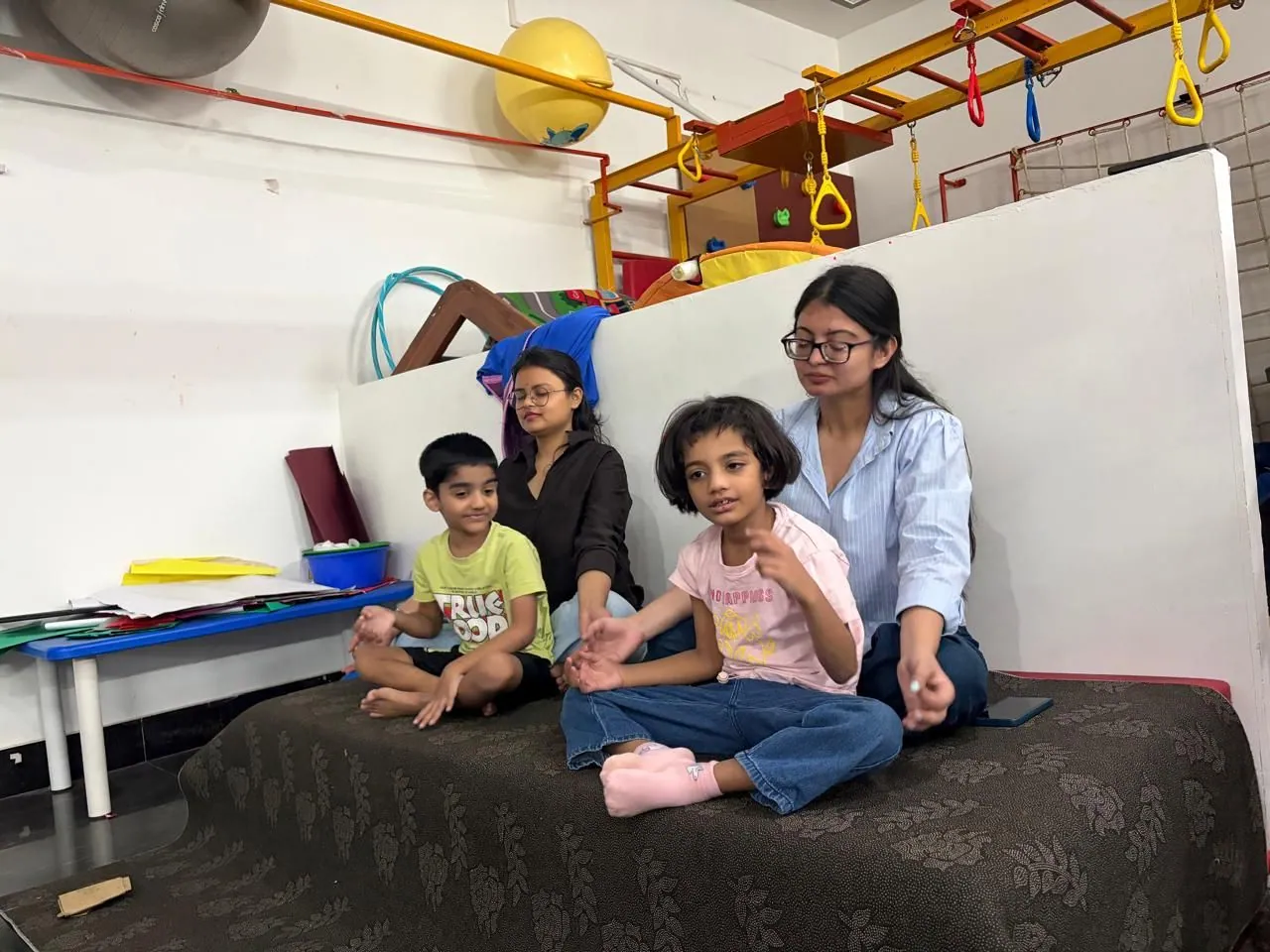
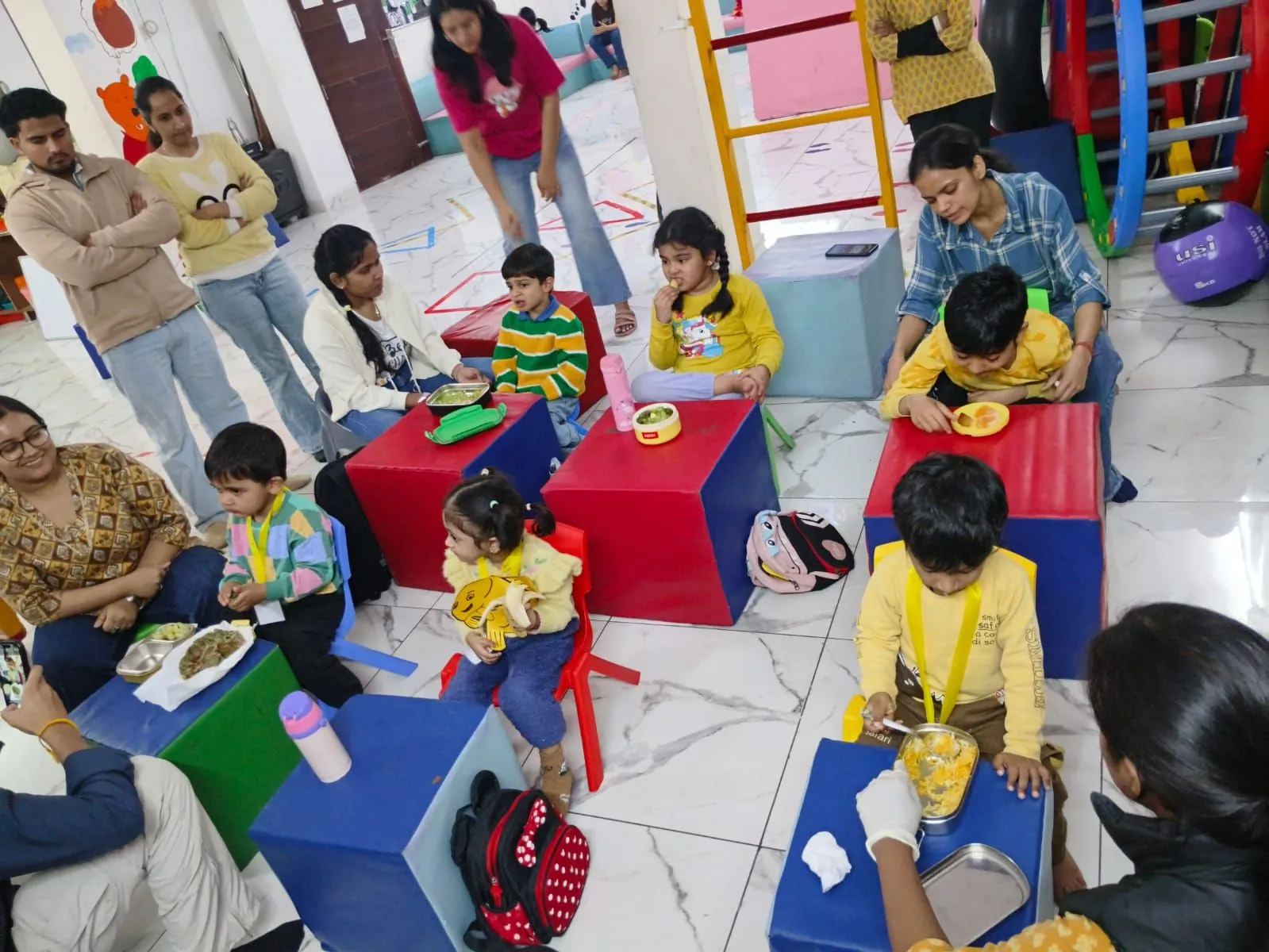
Sessions are play-based for younger children and become more structured as they grow. Therapists work on specific communication goals and show parents simple ways to practise at home, because everyday routines are where language grows.
- 03
Carry it home
Parents are shown simple ways to continue at home, and the team reviews the plan with you as your child grows.
Speech Therapy in practice
Progress looks different for every child.
Our assessment process
Your first conversation
There is no pressure to arrive with answers. Here is how it usually begins.
Tell us what you have noticed
Call, message on WhatsApp or send the form. We help you choose a centre.
Meet the team
The team listens to your concerns and watches how your child plays and communicates.
Hear the recommendation
The team explains what they suggest and why, in plain language.
Start with a plan
Goals are agreed with you and reviewed together as your child grows.
Benefits and progress
What progress can look like
Progress looks different for every child. It may show up as a new word, a steadier pencil grip, an easier morning routine or a calmer car journey. The team shares what they see, listens to what you notice at home, and sets new goals with you as your child grows. Nobody can promise a particular result or timeline, and the team will tell you honestly how things are going.
FAQ
Questions
At what age should I seek a speech assessment?
If you are worried about how your child talks, understands or interacts, you do not need to wait for a particular age. Contact a centre and talk through what you have noticed.
Will my child need speech therapy and another therapy?
Many children benefit from more than one kind of support. The team can suggest what combination makes sense after meeting your child.
Is speech therapy only for children who are not talking yet?
No. It can also support children whose speech is hard to understand, who find sentences difficult, or who struggle to follow what is said.
Talk to the team about your child
Call or message us and we will help you choose a centre and a first step.