
Occupational Therapy & Sensory Support · Therapy
Neurodevelopmental therapy looks at how a child moves, holds their body and builds the control behind everyday movement.
What is Neurodevelopmental Therapy?
Supporting how a child moves, sits and balances.
Neurodevelopmental therapy (often shortened to NDT) is a hands-on, movement-focused approach. The therapist looks at posture, muscle tone and the way a child moves, then plans activities to support better control.
It is commonly used with children who have motor difficulties linked to developmental conditions. The team can tell you whether it is suited to your child.
This page is general information, not a diagnosis. Which therapy suits your child is best decided after meeting the team.
In one picture
Helps a child practise
posture, balance and smooth movement.
Drawn as you scroll. Illustration is abstract and does not show a method or an outcome.
Signs your child may need support
Things parents often notice
- Delays in sitting, crawling or walking
- Low or high muscle tone
- Difficulty balancing or coordinating movement
- Tiring quickly during movement activities
- Using one side of the body more than the other
These are common reasons families get in touch. They do not always mean a problem.
Skills we work on
What therapy focuses on
- 01Posture and trunk controlSitting, standing and holding the body steady.
- 02BalanceStaying steady while moving or reaching.
- 03Movement patternsSmoother ways to crawl, walk, reach and play.
- 04Everyday participationUsing movement in play and self-care.
Our approach
What sessions look like

- 01
Listen first
Every plan starts with a conversation with you about what you have noticed and what matters to your family.
- 02
Practise through play
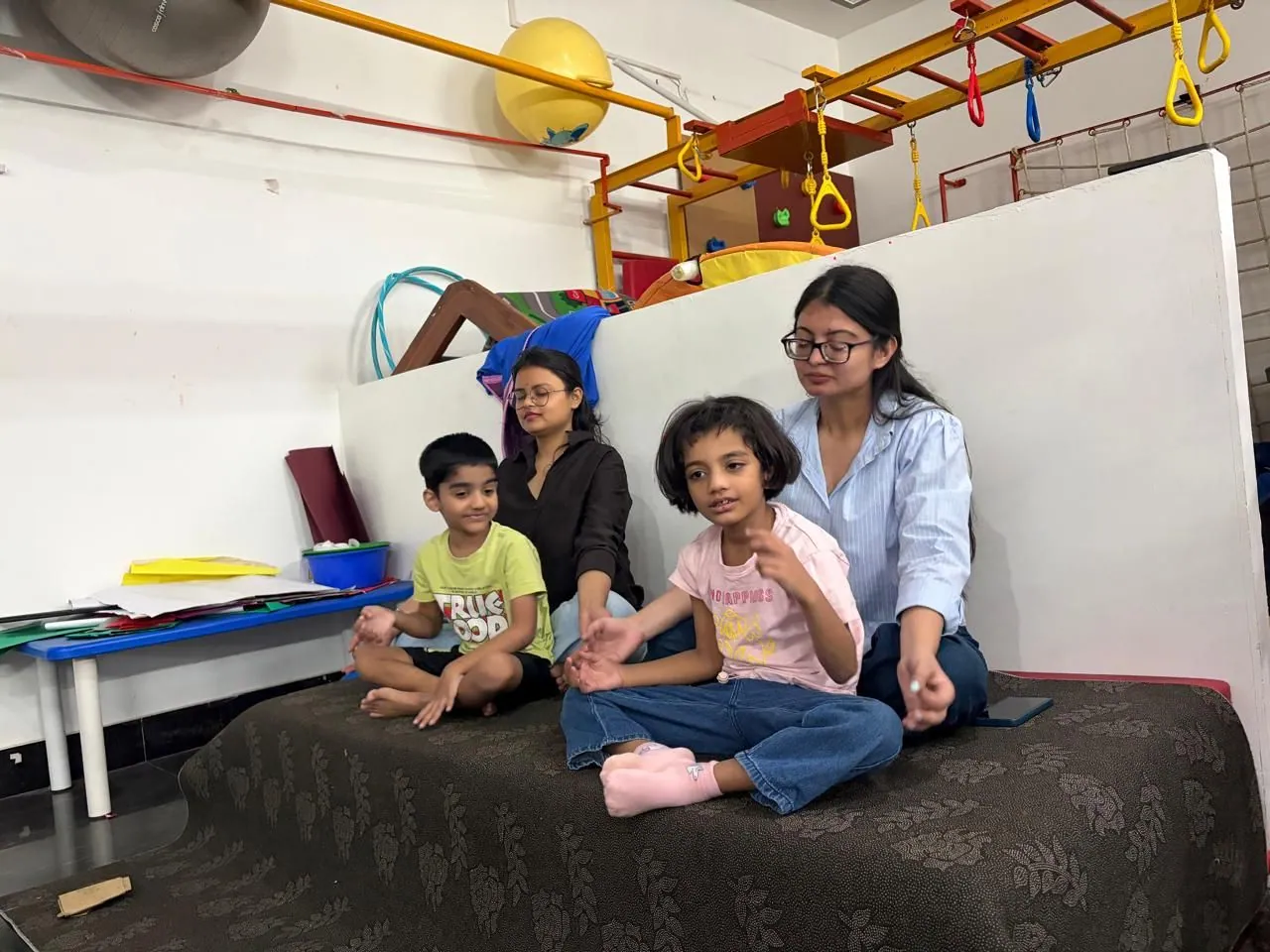
Therapists work through play positions, handling and movement games, and show parents how to hold, carry and play with their child in ways that support the same goals.
- 03
Carry it home
Parents are shown simple ways to continue at home, and the team reviews the plan with you as your child grows.
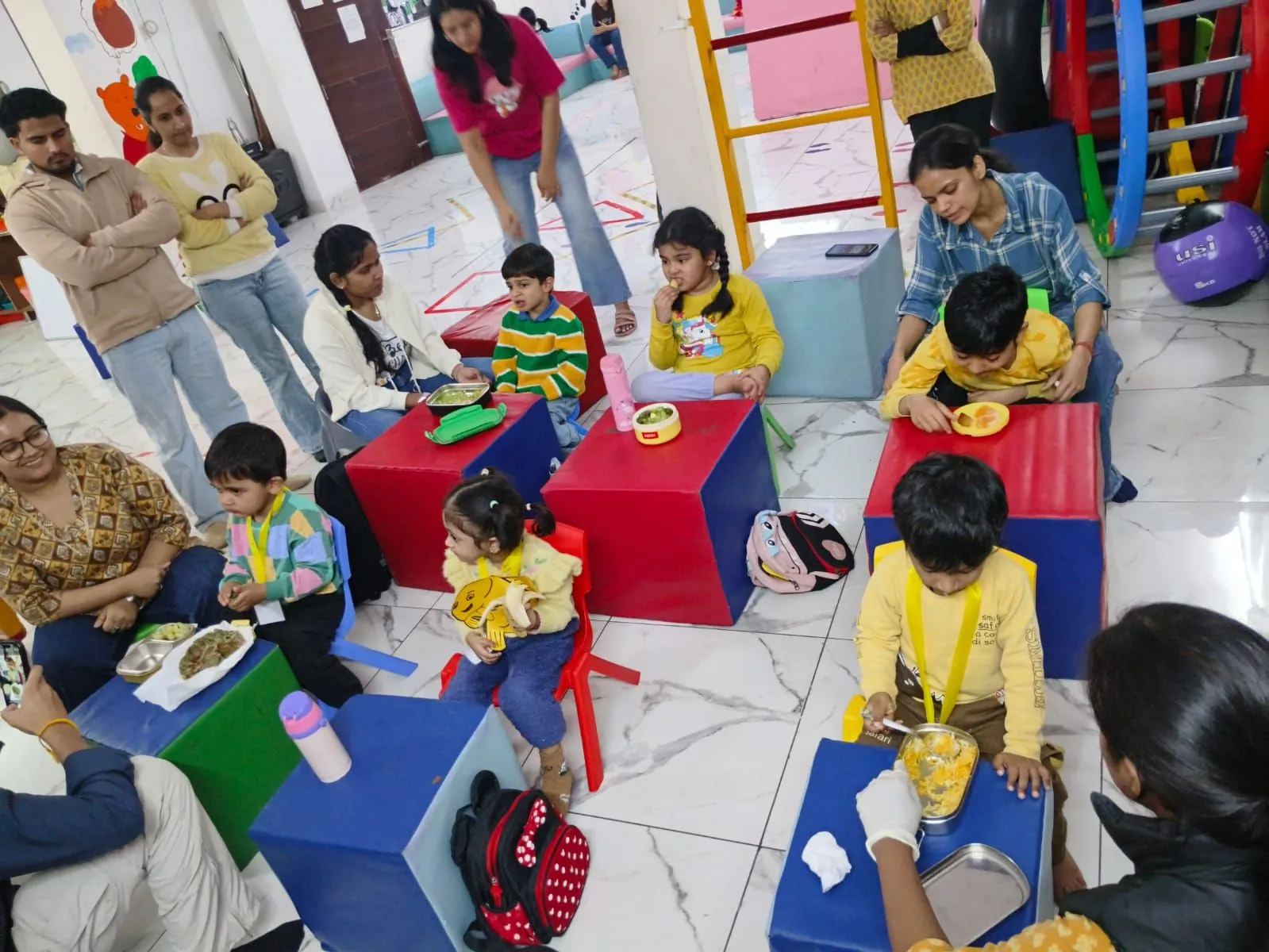
Neurodevelopmental Therapy in practice
Progress looks different for every child.
Our assessment process
Your first conversation
There is no pressure to arrive with answers. Here is how it usually begins.
Tell us what you have noticed
Call, message on WhatsApp or send the form. We help you choose a centre.
Meet the team
The team listens to your concerns and watches how your child plays and communicates.
Hear the recommendation
The team explains what they suggest and why, in plain language.
Start with a plan
Goals are agreed with you and reviewed together as your child grows.
Benefits and progress
What progress can look like
Progress looks different for every child. The team shares what they see, listens to what you notice at home, and sets new goals with you as your child grows. Nobody can promise a particular result or timeline, and the team will tell you honestly how things are going.
FAQ
Questions
Does this replace physiotherapy?
Sunshine’s team can explain how it fits with any other therapy your child receives.
Talk to the team about your child
Call or message us and we will help you choose a centre and a first step.