
Speech, Language & Communication · Therapy
Clear speech and comfortable eating both depend on precise movements of the lips, tongue and jaw.

What is Oral Placement Therapy?
Helping the mouth learn the movements for sounds and food.
Oral placement therapy uses touch cues and structured activities to help children feel and practise the mouth movements needed for particular sounds and for chewing and swallowing.
It is used alongside speech therapy, and the speech therapist will explain whether it is likely to suit your child.
This page is general information, not a diagnosis. Which therapy suits your child is best decided after meeting the team.
In one picture
Helps a child practise
the mouth movements used for clear speech and for eating.
Drawn as you scroll. Illustration is abstract and does not show a method or an outcome.
Signs your child may need support
Things parents often notice
- Speech sounds that are hard to produce
- Drooling or low mouth tone
- Difficulty with chewing certain foods
- Limited lip, tongue or jaw movement
- Speech that tires or becomes unclear
These are common reasons families get in touch. They do not always mean a problem.
Skills we work on
What therapy focuses on
- 01Lip movementsRounding, closing and spreading the lips.
- 02Tongue movementsLifting, moving and shaping the tongue.
- 03Jaw controlOpening, closing and grading jaw movement.
- 04Mealtime skillsBite, chew and swallow practice.
Our approach
What sessions look like
- 01
Listen first
Every plan starts with a conversation with you about what you have noticed and what matters to your family.
- 02
Practise through play
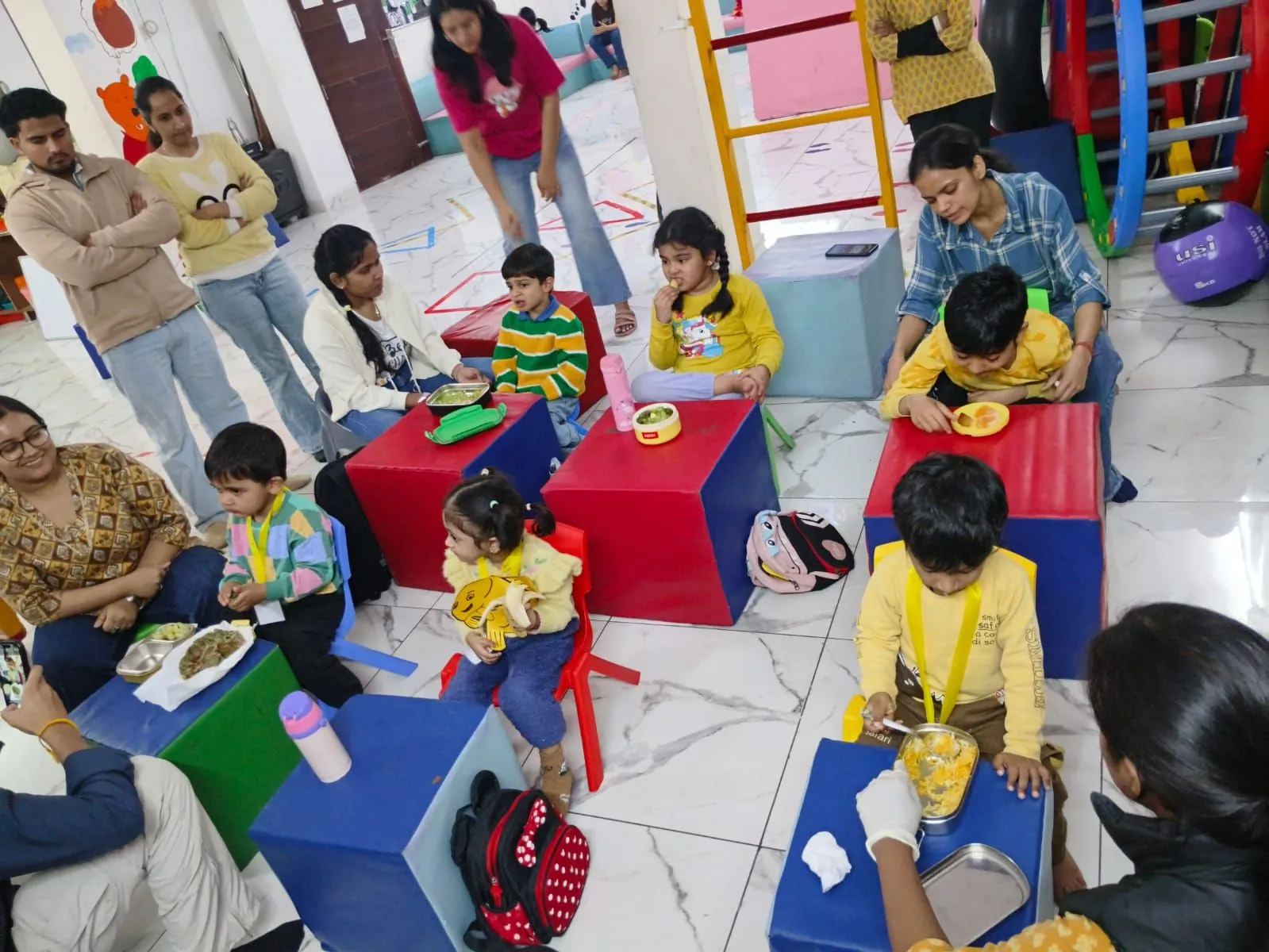
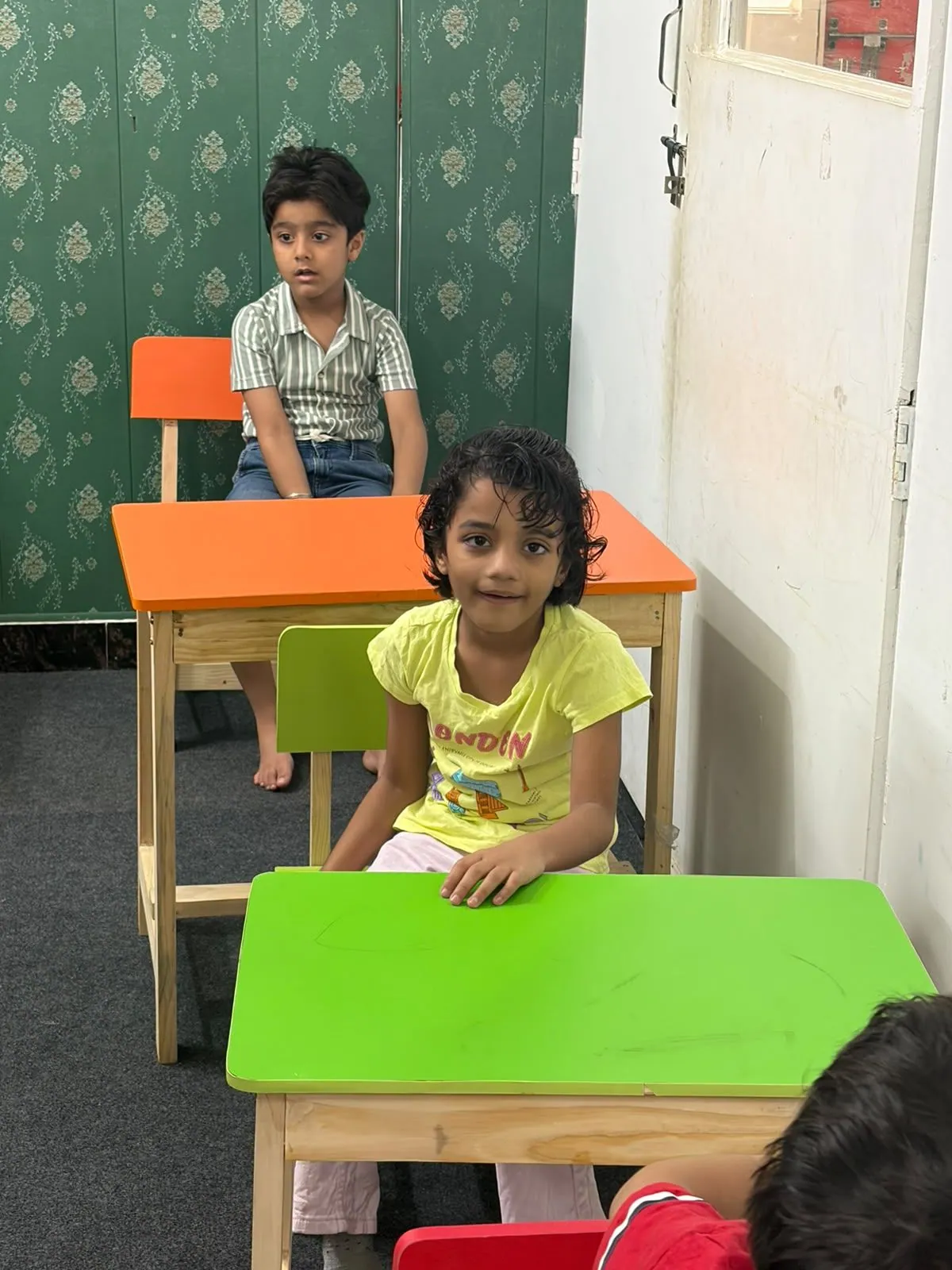
Sessions are short, hands-on and playful, using tools and games chosen by the therapist, and parents learn a few simple activities to repeat at home.
- 03
Carry it home
Parents are shown simple ways to continue at home, and the team reviews the plan with you as your child grows.
Oral Placement Therapy in practice
Progress looks different for every child.
Our assessment process
Your first conversation
There is no pressure to arrive with answers. Here is how it usually begins.
Tell us what you have noticed
Call, message on WhatsApp or send the form. We help you choose a centre.
Meet the team
The team listens to your concerns and watches how your child plays and communicates.
Hear the recommendation
The team explains what they suggest and why, in plain language.
Start with a plan
Goals are agreed with you and reviewed together as your child grows.
Benefits and progress
What progress can look like
Progress looks different for every child. The team shares what they see, listens to what you notice at home, and sets new goals with you as your child grows. Nobody can promise a particular result or timeline, and the team will tell you honestly how things are going.
FAQ
Questions
Is this the same as speech therapy?
It is one approach a speech therapist may use. Your child’s therapist can explain how it fits their plan.
Talk to the team about your child
Call or message us and we will help you choose a centre and a first step.