
Occupational Therapy & Sensory Support · Therapy
For a child, the “occupations” are playing, learning, dressing, eating and getting along with others. Occupational therapy builds the skills behind them.
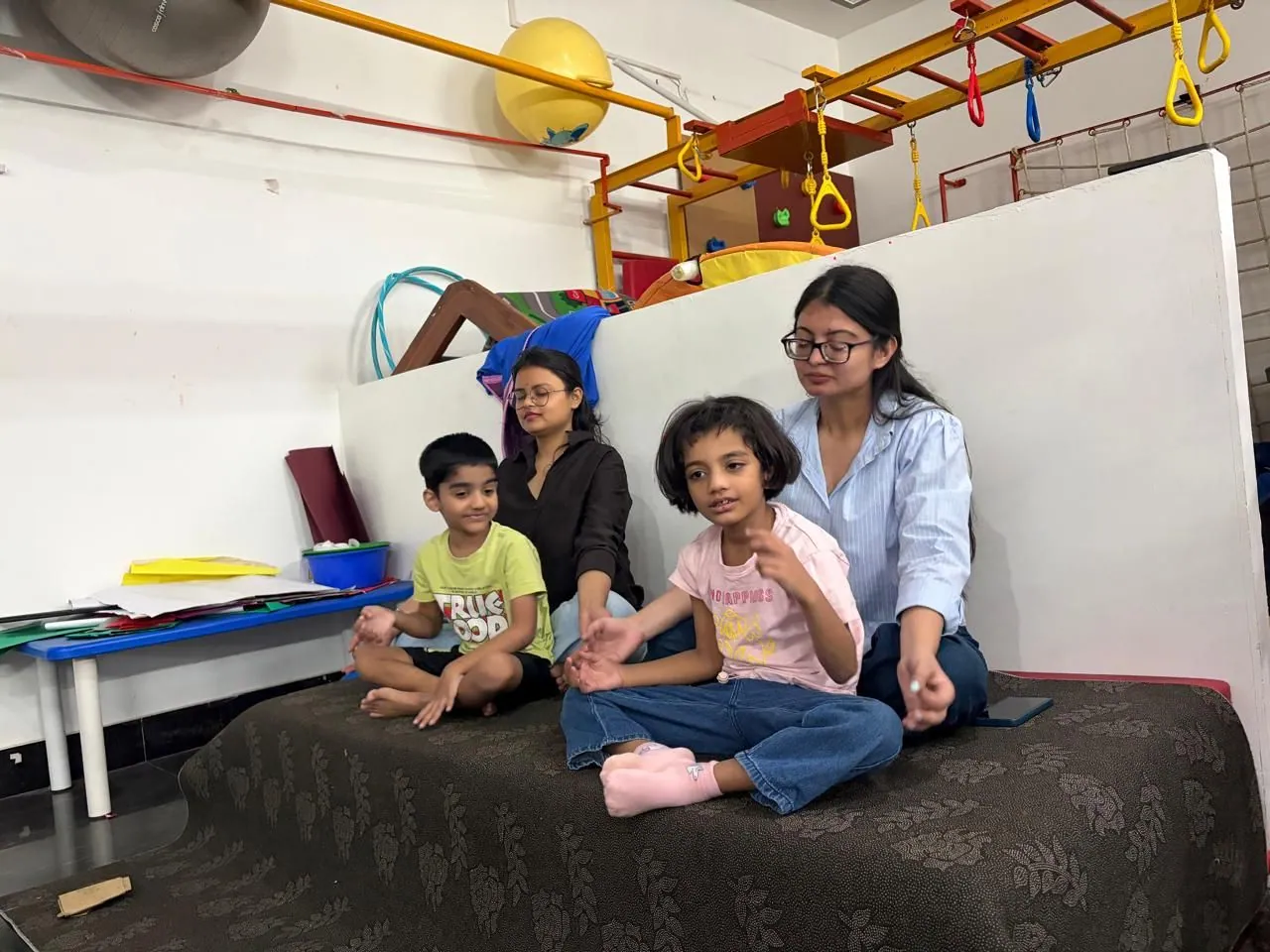
What is Occupational Therapy?
Building the skills behind play, learning and daily life.
Occupational therapy helps children take part in the everyday activities that make up childhood: playing, learning, dressing, eating and getting along with others.
Therapists look at how a child’s hands, body, senses and attention work together, then build skills through purposeful play.
This page is general information, not a diagnosis. Which therapy suits your child is best decided after meeting the team.
In one picture
Helps a child practise
everyday skills such as dressing, playing, using hands and coordinating movement.
Drawn as you scroll. Illustration is abstract and does not show a method or an outcome.
Signs your child may need support
Things parents often notice
- Fine-motor skills such as grasping, drawing, cutting and building
- Gross-motor skills such as jumping, climbing and balance
- Hand-eye coordination
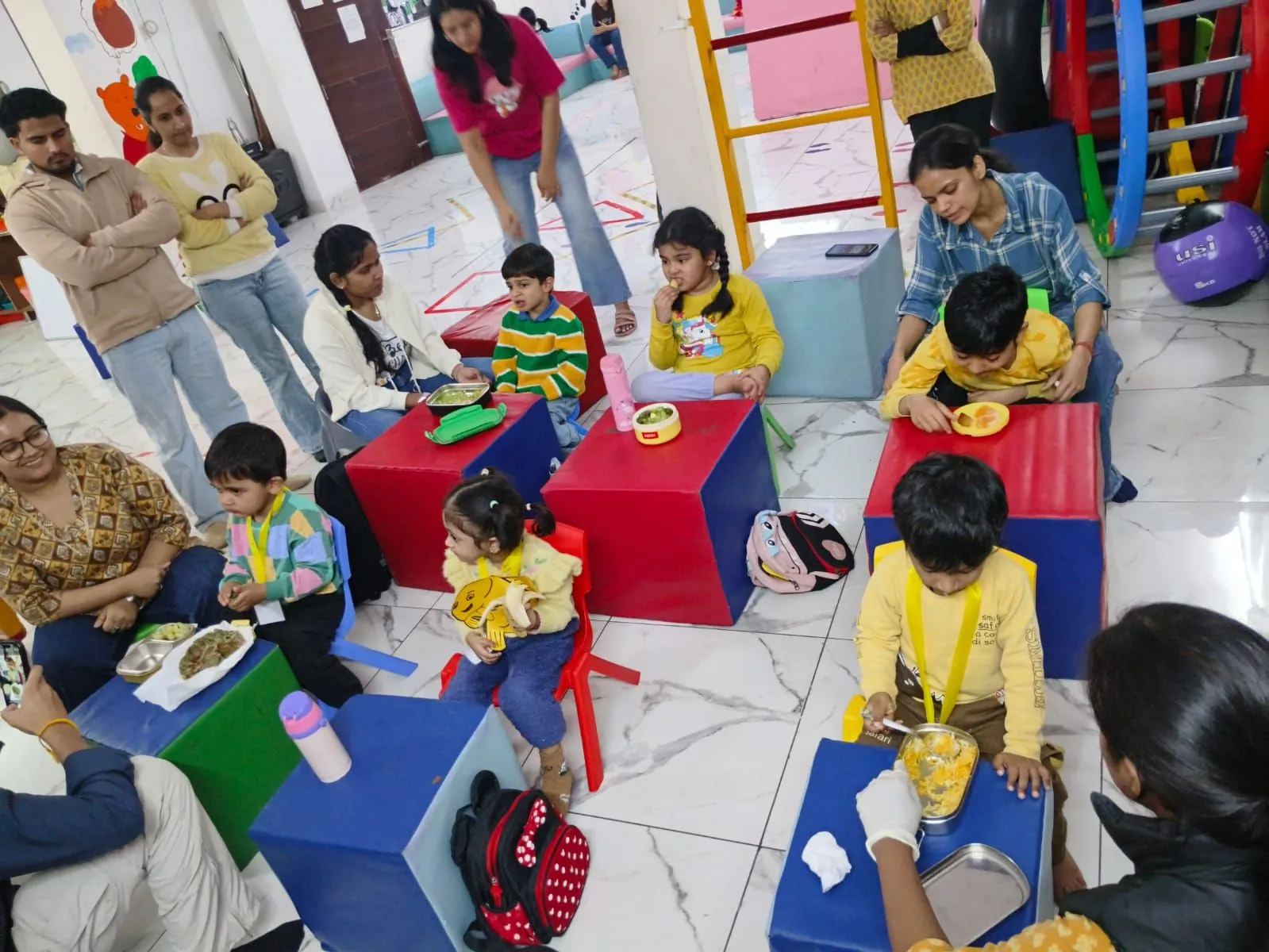
- Self-care routines: dressing, grooming and feeding
- Attention, planning and organisation
- Responses to sound, touch and movement
These are common reasons families get in touch. They do not always mean a problem.
Skills we work on
What therapy focuses on
- 01Fine motor skillsGrasping, drawing, cutting, building and using small tools.
- 02Gross motor skillsJumping, climbing, throwing and moving with confidence.
- 03Sensory processingResponding comfortably to sound, touch, movement and busy places.
- 04Coordination and balanceMoving the body smoothly and keeping steady during activities.
- 05Daily living skillsDressing, feeding, grooming and managing belongings.
- 06Handwriting and attentionPencil control, sitting to work, planning and finishing tasks.
Our approach
What sessions look like
- 01
Listen first
Every plan starts with a conversation with you about what you have noticed and what matters to your family.
- 02
Practise through play
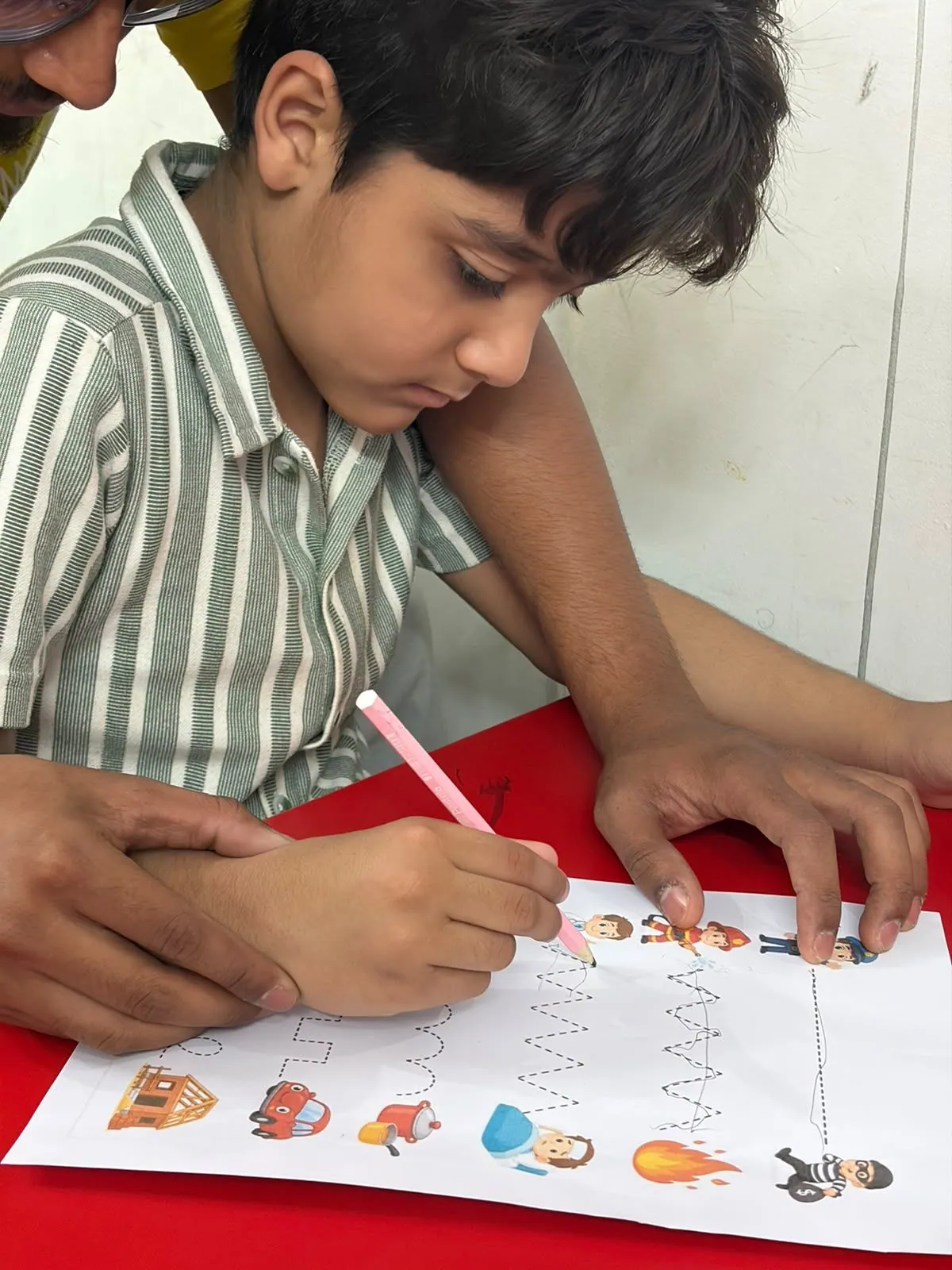
Sessions use structured, purposeful play: swinging, building, drawing, cutting and movement activities. Goals are set around what matters to your child and family, such as holding a pencil or managing a school bag.
- 03
Carry it home
Parents are shown simple ways to continue at home, and the team reviews the plan with you as your child grows.
Occupational Therapy in practice
Progress looks different for every child.
Our assessment process
Your first conversation
There is no pressure to arrive with answers. Here is how it usually begins.
Tell us what you have noticed
Call, message on WhatsApp or send the form. We help you choose a centre.
Meet the team
The team listens to your concerns and watches how your child plays and communicates.
Hear the recommendation
The team explains what they suggest and why, in plain language.
Start with a plan
Goals are agreed with you and reviewed together as your child grows.
Benefits and progress
What progress can look like
Progress looks different for every child. It may show up as a new word, a steadier pencil grip, an easier morning routine or a calmer car journey. The team shares what they see, listens to what you notice at home, and sets new goals with you as your child grows. Nobody can promise a particular result or timeline, and the team will tell you honestly how things are going.
FAQ
Questions
What is the difference between occupational therapy and special education?
Occupational therapy builds the physical, sensory and daily-living skills a child needs; special education focuses on learning and academic skills. Many children work on both.
Does my child need a diagnosis first?
You can talk to the team about your concerns before, or without, a formal diagnosis.
Will my child get homework?
Therapists often suggest short, simple activities for home. The aim is to fit your routine, not to add pressure.
Talk to the team about your child
Call or message us and we will help you choose a centre and a first step.